Millport Sewage Pumping Station Upgrade for Scottish Water
WGM recently completed a critical upgrade to the Millport Sewage Pumping Station No. 4, located adjacent to a children’s play area on West Bay Road.
The station pumps wastewater to the Millport WwTW and is designed to handle up to 62 litres per second at a head of 15.49 meters. Both pumps, operating on a Duty Standby Cycle, are integral to maintaining this flow. To ensure the station met the PFF rate required by SEPA, temporary over-pumping was implemented prior to the project start.
Project Scope
Mechanical and Electrical Upgrades
The core of this project involved the replacement of two submersible pumps, along with associated pipework and valves. This included the installation of new guide rails, swing check valves, gate valves, and replacement of the existing riser pipework. Significant modifications were made to the valve chamber to optimize flow conditions, including the installation of a new equal tee piece, gate valve, and Bauer fitting. A new flowmeter was also installed, necessitating the construction of a dedicated manhole and chamber to house the meter and control valves.
The electrical system was significantly upgraded to support the new pumping infrastructure. The existing control panel was replaced with a new Form 4 control panel, housed in a newly constructed control kiosk. This kiosk includes a mains/generator incomer, starters, an instrumentation compartment, and a distribution board. Additional electrical upgrades involved installing new transducers, float switches, and telemetry systems, as well as relocating the DNO cable head to accommodate the new setup.
Temporary Works and Flow Management
To ensure uninterrupted service during the upgrade, a temporary over-pumping solution was implemented. This involved connecting the over-pumping system to the inlet manhole, allowing the wet well to be bypassed during refurbishment. This strategy minimised downtime and disruption to the surrounding area.
Project Challenges
Safety Measures: Due to the station’s proximity to a children’s play area, stringent safety protocols were enforced. The site was secured with robust fencing and clear signage to prevent unauthorised access, especially by children. Regular safety briefings were held with the workforce to maintain a safe environment.
Community Engagement: Given Millport’s close-knit community, proactive communication was key. Residents were regularly informed about the project’s timeline, potential disruptions, and safety measures. This approach helped build trust and alleviate concerns among local residents.
Noise and Disruption Mitigation: To minimise impact on the surrounding area, noisy activities were scheduled outside of the play area’s peak times. Equipment was selected and operated to reduce noise levels, and dust suppression techniques were employed to maintain air quality.
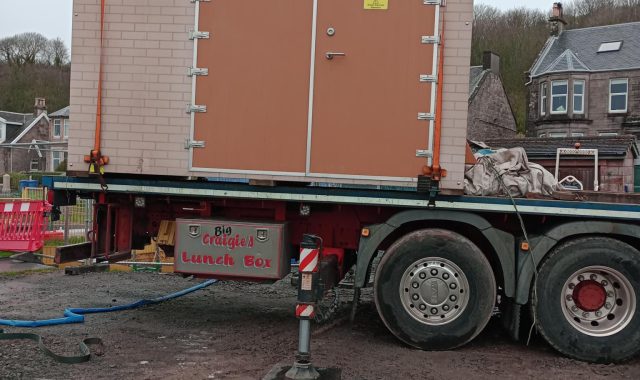
Logistical Challenges: The island’s location posed logistical challenges, including limited access for large vehicles and equipment. Deliveries were carefully coordinated to avoid peak traffic times, with special arrangements made to transport materials without significantly disrupting daily life on the island.
This project successfully modernised the Millport SPS wet well and valve chamber systems, incorporating advanced technologies and design improvements that will enhance future operations. The upgrades have not only improved system efficiency and reliability but also ensured better preparedness for varying operational demands. This project sets a new standard for similar infrastructure initiatives.